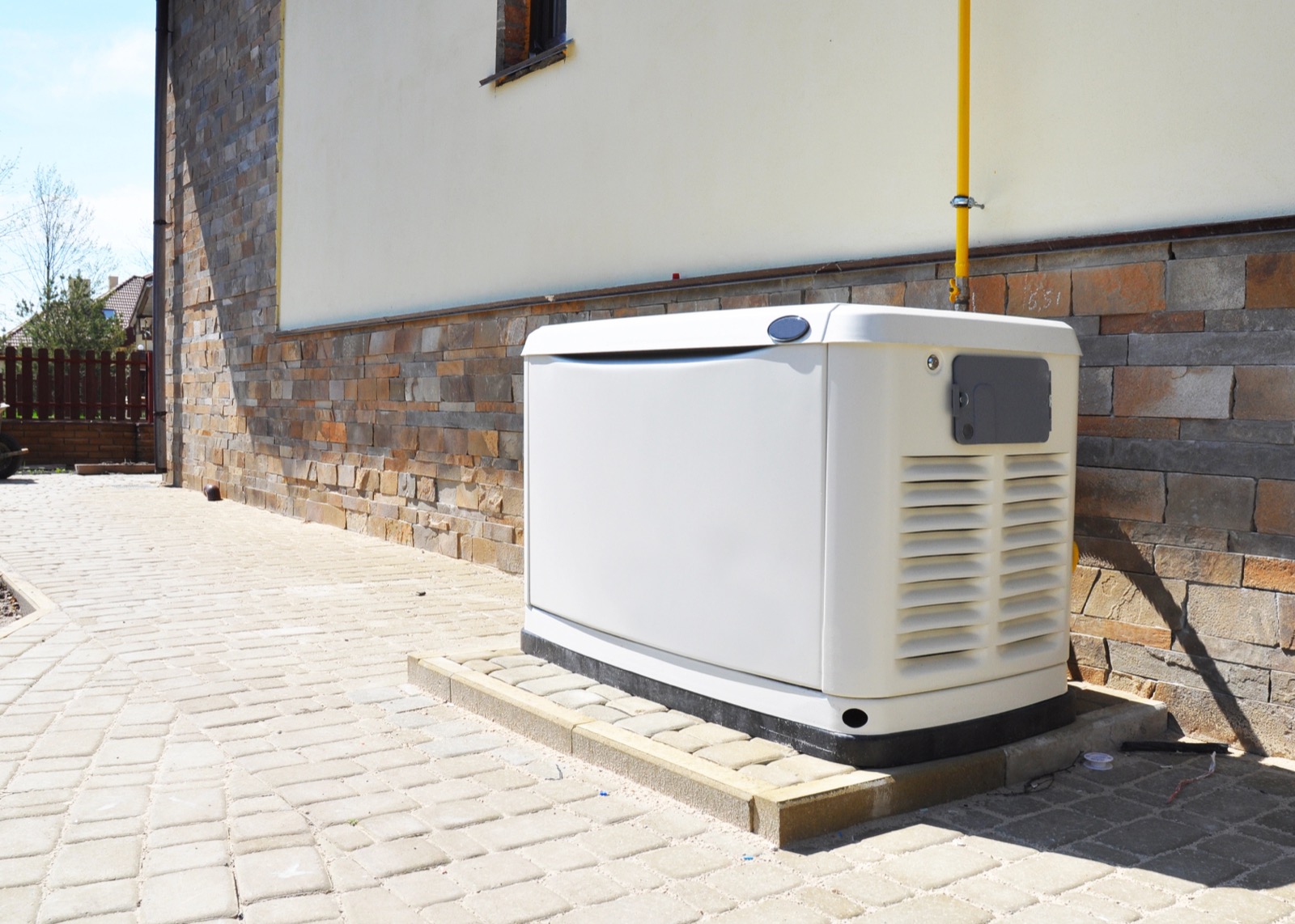
When the power goes out, a standby generator is supposed to kick in automatically — that’s the whole point. But what do you do when your automatic transfer switch (ATS) fails to do its job and your home stays dark?
In this post, we walk through the troubleshooting steps our team covers in our video guide below, plus some additional context to help you understand what’s happening and how to restore power safely.
Important safety note: Transfer switches and generator wiring carry serious electrical hazards. If you’re uncomfortable with any of these steps, stop and call a licensed electrician. Never work on live electrical equipment without proper training and precautions.
What Is an Automatic Transfer Switch — and Why Does It Matter?
An automatic transfer switch (ATS) is the component that monitors your utility power supply and automatically switches your home to generator power when an outage is detected. When utility power is restored, it switches back — all without you having to do a thing.
It’s what separates a true standby generator system from a portable generator setup. With a properly functioning ATS, your home can transition from grid power to generator power in a matter of seconds, keeping your HVAC, refrigerator, lights, and appliances running without interruption.
When the ATS fails to transfer automatically, it’s frustrating — but there are steps you can take to restore power manually while you identify the cause of the problem.
Step-by-Step: How to Manually Start Your Generator When the ATS Fails
These steps apply to a standby generator system equipped with a manual override. Your specific generator model may vary slightly — always refer to your owner’s manual alongside these general guidelines.
Step 1: Switch the ATS to Manual Mode
Your automatic transfer switch should have a manual override key or lever included with the unit. Locate this tool and insert it into the designated manual override slot on the ATS panel. If power is currently off, move the switch to the manual/off position. This takes the ATS out of automatic mode so you can control the transfer manually.
Step 2: Turn Off Your Breakers
Before doing anything else at the generator, turn off the breakers in your ATS or main panel. This is a critical safety step — it ensures there is no load on the system while you manually start the generator, reducing the risk of damage to your appliances and equipment.
Step 3: Go to Your Standby Generator and Turn Off Its Breaker
At the generator unit itself, turn the generator’s breaker to the off position. You want to start the generator under no load before reconnecting it to your home’s circuits.
Step 4: Press the Manual Start Button
Most standby generators have a manual start button on the unit’s control panel. Press it to start the generator manually. Allow the generator a moment to start up and stabilize before proceeding.
Step 5: Turn the Generator Breaker Back On
Once the generator is running smoothly, turn the generator’s breaker back on. This connects the running generator to your transfer switch.
Step 6: Restore Power to Your Home
Return to your ATS or main panel and turn your breakers back on. At this point, your home should be receiving power from the generator. With a 40 kW standby system, you’ll have enough capacity to run your air conditioning, refrigerator, lights, microwave, stovetop, and other major appliances — essentially your full home load.
Step 7: Secure the Manual Override Key
Remove the manual override key or lever from the ATS and store it in a safe, accessible location. Replace the panel cover and tighten the screw so it doesn’t get lost. You’ll want this tool available the next time you need it.
When Utility Power Is Restored
One of the advantages of a standby generator system is that when utility power comes back on, the ATS is designed to automatically switch your home back to grid power — even when it’s been manually operated. You’ll hear a distinct click from the transfer switch as it transfers back. Once that happens, head to your generator and press the off button to shut it down. Your home is now back on utility power, with the generator standing by for the next outage.
What Causes an ATS to Stop Switching Automatically?
If your transfer switch failed to operate automatically, it’s worth understanding why. Common causes include:
- Loss of signal from the generator control board — If the generator’s control board isn’t communicating properly with the ATS, the transfer won’t happen automatically.
- Faulty ATS relay or contactor — The mechanical components inside the switch can wear out over time and fail to operate when commanded.
- Generator failed to start — If the generator itself didn’t start (low oil, dead battery, fuel issue), there’s nothing for the ATS to switch to.
- Wiring or connection issue — Loose or corroded connections between the generator and the ATS can interrupt communication.
- ATS programming or settings issue — Some transfer switches have configurable time delays and voltage thresholds that may need adjustment.
Diagnosing the root cause requires a closer look at both the generator and the ATS, which is best left to a licensed electrician familiar with generator systems.
Don’t Wait Until the Next Storm to Find Out Something’s Wrong
Regular generator maintenance — including testing the automatic transfer function — is the best way to make sure your system is ready when you need it. Most generator manufacturers recommend a weekly automatic self-test (which your generator may already be programmed to run) and a professional service inspection once a year.
If your ATS failed to switch automatically during a recent outage, or if you’re not confident your generator system is functioning properly, the time to address it is now — not during the next power outage.
Need Help With Your Generator or Transfer Switch?
Safety 1st Electrical Services installs and services standby generator systems throughout Peachtree City, Fayette County, and the surrounding south Atlanta area. If your automatic transfer switch isn’t functioning correctly, or if you’d like a professional inspection of your generator system, our licensed electricians are here to help.
Contact us online or call (470) 686-6863 to schedule a service appointment. Safety always comes first.
