Georgia’s older neighborhoods are full of character — established trees, spacious lots, and homes built with craftsmanship that newer construction often can’t match. But older homes also come with electrical systems that were designed for a very different era, long before the demands of modern appliances, home offices, and EV chargers.
If your home was built before 1990 — and especially before 1970 — there’s a good chance the electrical system has at least one issue worth addressing. Some are nuisances. Others are genuine safety hazards. Here’s what homeowners in Peachtree City, Fayette County, and surrounding communities should know.
Outdated Electrical Panels
The electrical panel is the heart of your home’s electrical system, and panels from several decades ago simply weren’t built for today’s loads. Two specific panel types are considered particularly problematic and are flagged by home inspectors and insurance companies alike.
Federal Pacific Electric (FPE) Stab-Lok panels were installed in millions of American homes between the 1950s and 1980s. These panels have been found to have a higher-than-acceptable failure rate — meaning the breakers may not trip when they should during an overload or fault, increasing the risk of electrical fire.
Zinsco panels (sometimes sold under the brand name GTE-Sylvania) have similar problems. The breakers in these panels are prone to melting and fusing to the bus bar, preventing them from tripping properly in a fault condition.
If your home has either of these panel types, replacement isn’t just a good idea — it’s a safety priority. A licensed electrician can identify the panel brand and recommend the right course of action.
Older homes may also simply have panels that are undersized for modern use — a 60-amp or 100-amp service that was standard decades ago is often no longer sufficient for a home with central air conditioning, multiple refrigerators, EV chargers, and high-draw appliances.
Aluminum Wiring
During the late 1960s and into the 1970s, aluminum wiring was commonly used in residential construction as a less expensive alternative to copper. While aluminum wiring itself isn’t inherently dangerous, it behaves differently than copper in ways that create real risks over time.
Aluminum expands and contracts more with temperature changes than copper does, which can cause connections to loosen at outlets, switches, and fixtures. Loose connections generate heat, and heat at an electrical connection is a fire hazard. Aluminum also oxidizes in a way that increases electrical resistance at connection points.
Homes with aluminum wiring aren’t necessarily unsafe, but they require careful management. Options include replacing the wiring entirely, installing CO/ALR-rated devices at all outlets and switches, or using a process called pig-tailing — adding short copper wire extensions at each connection point using approved connectors. A licensed electrician can assess your home’s aluminum wiring and recommend the best approach.
Knob-and-Tube Wiring
Homes built before the 1950s — and some into the early 1960s — may still have knob-and-tube wiring in portions of the home. This older wiring method used ceramic knobs to anchor wires to framing members and ceramic tubes where wires passed through them. It was the standard of its time, but it presents several problems today.
Knob-and-tube wiring has no ground wire, which means it can’t support three-prong outlets or properly protect modern appliances. It also wasn’t designed for the electrical loads of contemporary living. Perhaps most critically, the rubber insulation surrounding the wires becomes brittle and deteriorates with age, leaving wires exposed.
Many insurance companies will not write a homeowner’s policy — or will significantly increase premiums — for homes with active knob-and-tube wiring. If your home has it, a full or partial rewire is typically the recommended solution.
Insufficient or Missing GFCI Protection
Ground Fault Circuit Interrupter (GFCI) outlets are required by current electrical code in any location where water and electricity may come into contact — kitchens, bathrooms, garages, outdoor areas, and unfinished basements. These outlets detect dangerous ground faults and cut power within milliseconds, preventing electrocution.
Older homes frequently lack GFCI protection in these areas entirely, or have it in some locations but not others. This is one of the most straightforward and affordable electrical upgrades available, and it can make a significant difference in household safety. Adding GFCI outlets or GFCI breakers to the required locations in an older home is a relatively quick job for a licensed electrician.
Two-Prong Outlets Throughout the Home
Two-prong outlets are ungrounded, meaning they lack the third wire that provides a safe path for fault current to travel. Modern appliances and electronics — especially sensitive devices like computers, televisions, and medical equipment — rely on proper grounding for both safety and performance.
Many older Georgia homes have two-prong outlets in most or all rooms. The right fix is to run a proper ground wire to those outlets, or to replace them with GFCI outlets (which are permitted by code as a replacement for ungrounded outlets, provided they’re labeled correctly). Simply replacing a two-prong outlet with a three-prong outlet without a proper ground wire is not a safe or code-compliant solution.
Overloaded Circuits and DIY Wiring
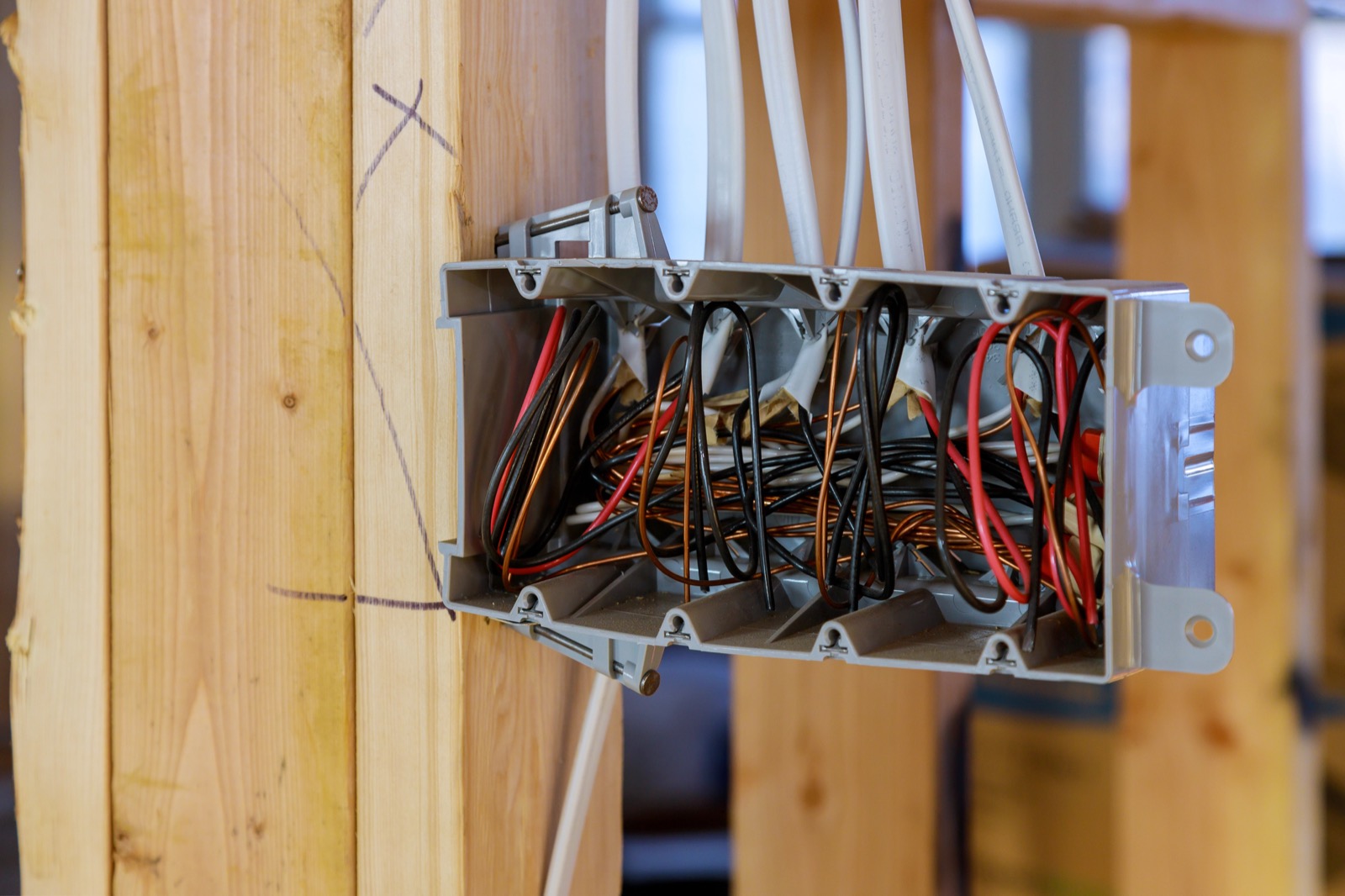
Over the decades, many older homes have been added to, finished, or modified by owners who weren’t licensed electricians. Finished basements, added rooms, upgraded kitchens — each one may have brought new electrical work of varying quality. Common problems include oversized breakers installed to stop a breaker from tripping (rather than addressing the underlying overload), wiring that doesn’t meet code, and junction boxes buried inside walls without accessible covers.
These issues aren’t always visible without a professional inspection, but they can create serious hazards that a home inspector or electrician will identify.
Deteriorated Wiring Insulation
Even wiring that was properly installed can deteriorate over time. Heat, age, and rodent activity can all damage the insulation surrounding electrical wires in an attic, crawlspace, or wall cavity. Compromised insulation can lead to short circuits, sparks, and fires — often in areas of the home that are rarely accessed or inspected.
If your home is more than 40 years old and has never had a wiring inspection, it’s worth having a licensed electrician take a look, particularly in the attic and any accessible crawlspaces.
When to Get a Professional Electrical Inspection
You don’t have to be buying or selling a home to benefit from a professional electrical inspection. Consider scheduling one if:
- Your home is more than 30 to 40 years old and has never been inspected
- You’re experiencing frequently tripping breakers, flickering lights, or warm outlets
- You notice a burning smell anywhere near your electrical system
- You’re planning a renovation that will increase your home’s electrical load
- Your homeowner’s insurance has flagged your panel or wiring
- You’ve recently purchased an older home and want to understand its electrical condition
A thorough inspection gives you a clear picture of where things stand and what, if anything, needs attention — without any pressure or guesswork.
Safety 1st Is Here to Help
Safety 1st Electrical Services provides electrical inspections, panel upgrades, rewiring, and a full range of residential electrical services for homeowners throughout Peachtree City, Fayette County, and the surrounding south Atlanta area. If you have questions about your home’s electrical system or want to schedule an inspection, we’re here to help.
Contact us online or call (470) 686-6863 to schedule an appointment. Your family’s safety is always our first priority.
